Architectural Shingles
What they are, how they differ from standard asphalt shingles, and why they are so popular.

01
Dimensional Multi-Layer Depth
Unlike flat traditional 3-tab shingles (more on those below), architectural shingles feature laminated fiberglass construction that mimics the rich, heavy texture of real wood shake, natural slate, and a variety of other materials.
02
Superior Hail Defense
Available in Class 4 Impact Resistant ratings (UL 2218), these shingles withstand severe hail impacts up to 2 inches in diameter, qualifying homeowners for insurance premium discounts.
03
130 MPH Wind Protection
Great American Roofing installs shingle systems engineered and tested to ASTM D7158 Class H standards (resisting wind uplift up to 150 mph). When installed correctly, your roof is backed by a 130 mph limited warranty, or eligible for the GAF WindProven™ Limited Wind Warranty, which features no wind speed limitation under GAF’s complete Lifetime Roofing System.
04
Algae & Stain Resistance
Specially formulated with copper-infused granules that inhibit black algae streaks and discoloration, keeping your roof looking brand new for decades, even in extreme heat.
05
Limited Lifetime Warranty
Backed by 30-year to Limited Lifetime manufacturer warranties plus Great American Roofing’s master installation guarantee, offering complete long-term peace of mind.
Understanding Architectural Shingles:
Evolution, Ratings & Texas Storm Protection
The Evolution of "Asphalt Shingles": Why 3-Tab Shingles Are Obsolete
When most people hear the term "asphalt shingles," they often think of the old, single-layer 3-tab shingles common decades ago. However, traditional 3-tab shingles are rarely installed—or even produced by major manufacturers—today.
Because 3-tab shingles are thin, flat, and highly susceptible to wind uplift and hail tears, the roofing industry evolved. Modern architectural shingles (also known as dimensional or laminated shingles) were specifically engineered with heavy multi-layer fiberglass construction to replace 3-tab. Today, when contractors and homeowners talk about "asphalt shingles," they are almost exclusively referring to durable, high-performance architectural shingles.

Impact Resistance Ratings: Class 3 vs. Class 4 Architectural Shingles
Not all architectural shingles are created equal when facing severe Texas weather. Architectural shingles are categorized by their UL 2218 Impact Resistance Class, primarily Class 3 and Class 4.
-
Class 3: Engineered to withstand a 1.75-inch steel ball dropped from a height of 20 feet without fracturing the underlying fiberglass mat. They offer solid protection against light-to-moderate hail.
-
Class 4: The highest impact rating achievable in residential roofing. During UL 2218 laboratory testing, a 2-inch solid steel ball is dropped twice onto the exact same spot from 20 feet. To pass, the shingle must show zero cracking or rupture on the backside.
Many homeowners assume upgrading from Class 3 to Class 4 architectural shingles is cost-prohibitive. In reality, the cost difference between Class 3 and Class 4 is remarkably minimal during a full roof replacement—yet Class 4 shingles deliver exponentially greater protection against Texas hail storms and often qualify you for annual home insurance premium discounts of up to 10%–28%.

Deep Dive: How Texas Hail Tests Shingle Integrity
Texas leads the nation in severe hail events, where wind-driven hailstones hit roof decks at speeds exceeding 70 mph. Standard shingles suffer micro-fractures during hail impacts that allow water to seep into your roof decking over time.
Want to learn the history behind impact-resistant roofing? Read our Texas Weather that Changed Roofing, Part 4 to see how Class 4 shingles were developed in a university lab in direct response to a devastating tornado.

Some popular shingle styles

Barkwood
Charcoal Black


Driftwood Slate
Hickory Teak


Onyx Black
Pewter Gray

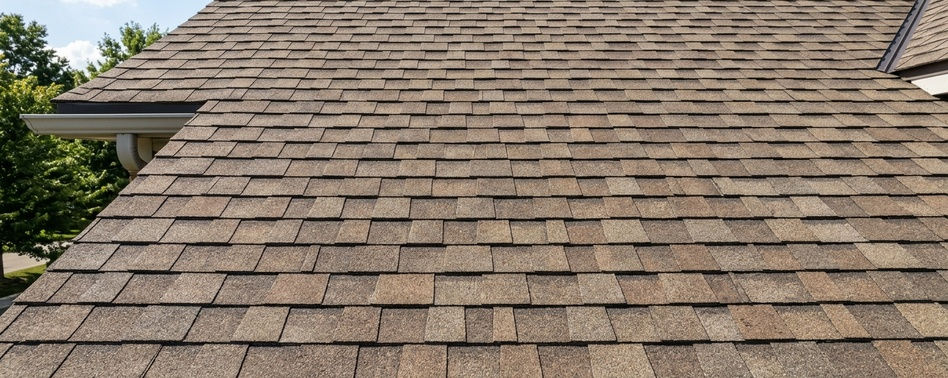
Shakewood
Weathered Wood
